
Nature-Based Climate Solutions in Africa
Bamboo Sustainable World is developing large-scale bamboo landscape systems in Africa as real climate infrastructure for the international carbon market. Our projects combine long-term carbon sequestration, ecological land restoration, and economic stability in regions with high development potential.
As Europe and other industrialised nations continue to face high emissions, energy demands, and increasing pressure on their forests, new solutions are emerging here. Forests in Europe are increasingly suffering from heatwaves, drought, and pest infestation. At the same time, the demand for raw materials for construction, industry, and energy remains high.
Our bamboo projects create an additional sustainable resource. Bamboo grows extremely quickly, binds large amounts of CO2, and can be used as a versatile raw material for construction, materials, and industry.
The resulting carbon sinks are converted into structured carbon credits through transparent models and long-term land use systems.
We do not trade with offsets.
We develop structured climate infrastructure.
About Us
Bamboo Sustainable World is developing regenerative bamboo projects in Africa with a clear focus on long-term carbon sequestration and sustainable land use. Our projects combine climate protection, ecological restoration, and economic development in regions with significant growth potential.
While forests in many parts of Europe are coming under increasing pressure from climate stress, drought, and insect infestation, new, fast-growing biomass systems are emerging in our project regions. Bamboo enables a combination of rapid CO2 sequestration, stable soil structure, and sustainable use.
Our projects create productive landscapes that simultaneously sequester carbon, regenerate soils, and open up economic prospects for local communities.
We are developing long-term land systems that sequester carbon for decades while simultaneously producing sustainable biomass. Bamboo grows significantly faster than traditional forestry systems and can be harvested regularly without destroying the root system.
This creates stable ecological systems that function both as a carbon sink and an economic resource.
Our projects are implemented together with local partners and follow clearly defined standards for monitoring, transparency, and long-term stability.
For us, carbon is not an abstract trading product. It is part of real landscape systems with measurable ecological impact.
Why bamboo
A regenerative biomass system
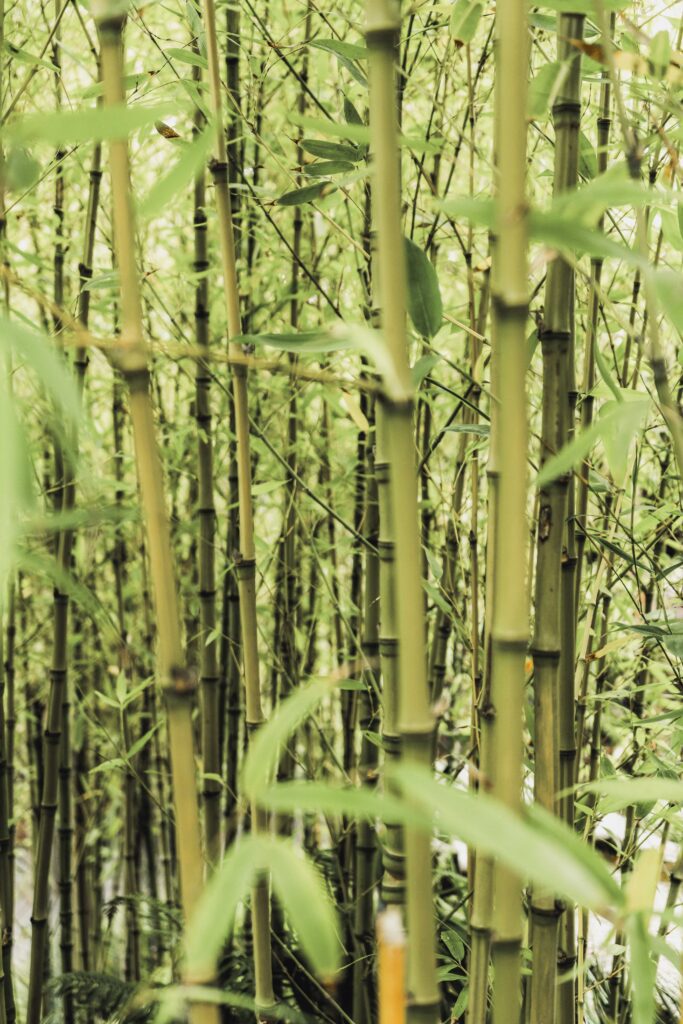
Bamboo is one of the most efficient natural systems for carbon binding. Its extremely rapid growth allows a large amount of biomass to be built up within a few years.
While classic forests take decades to store comparable amounts of carbon, bamboo reaches high productivity in just a few years.
The rhizomatous root system stabilises soils, improves water absorption, and reduces erosion.
Unlike many forestry systems, bamboo regenerates from the existing root system after harvesting and does not require replanting.
In addition to its role as a carbon sink, bamboo is a versatile raw material for construction, industrial fibres, biomass, and sustainable materials.
Bamboo combines speed, regeneration, and economic usability in a single system, thereby forming a stable basis for long-term carbon credits.

Our Projects
Our project sites are being established in regions with suitable climatic conditions for sustainable bamboo systems. Through long-term land-use models, productive landscapes are being built that both sequester carbon and enable economic use.
The projects are based on conservative biomass models and long-term carbon forecasts.
Democratic Republic of Congo
200 Hectare project area
20-year carbon model
167,000 tonnes of CO2 storage potential
60,000 tonnes of CO2 initial tradable credits
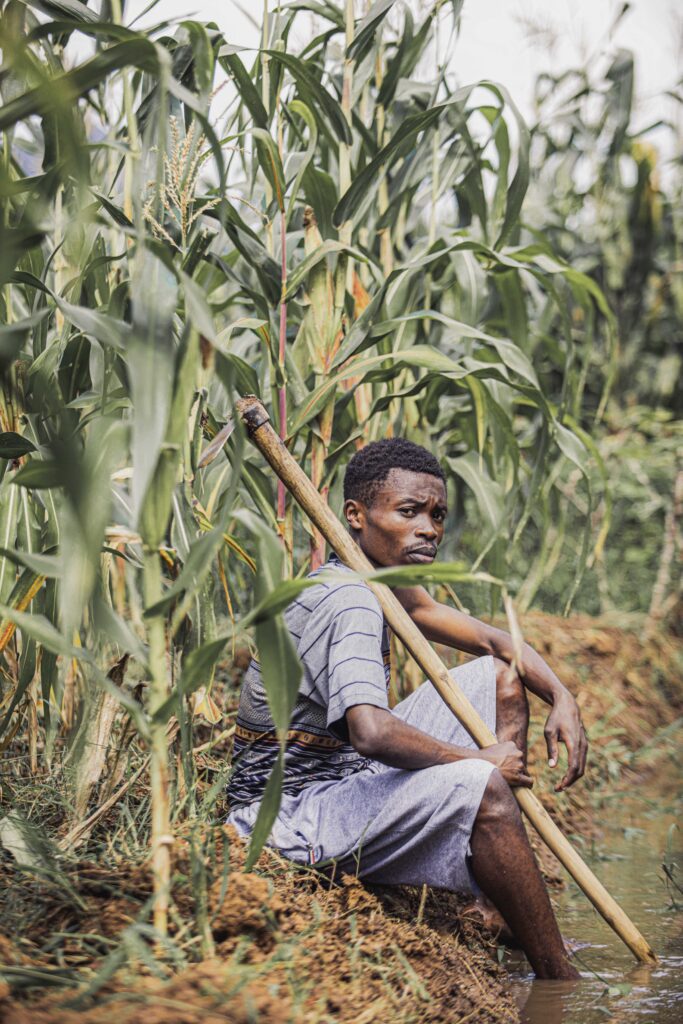
Uganda
100 hectares of project area
60,000 tonnes of CO2 storage potential
29,000 tonnes of CO2 initial tradable credits

Ghana
100 hectares of project area with a Bamboo Toilet Paper Manufacturing Plant
Only a defined portion of the projected storage will be issued as tradable carbon credits. The remaining carbon stock will be retained within the system as long-term security.
Validation
The project is listed in an independent registry and has been verified against established standards. The validation covers methodology, data integrity, and CO₂ impact, ensuring transparency and traceability.
Carbon integrity
Conservative forecasting models
Biomass and soil carbon are calculated based on scientific methodologies.
Limited credit issuance
Only a portion of the anticipated storage will be issued as a tradable carbon credit.
Long-term security
The remaining carbon stock remains protected by land-use agreements.

Effect
Ecological impact
Bamboo projects contribute to the restoration of degraded landscapes and create new carbon sinks in regions with great ecological potential.
Social impact
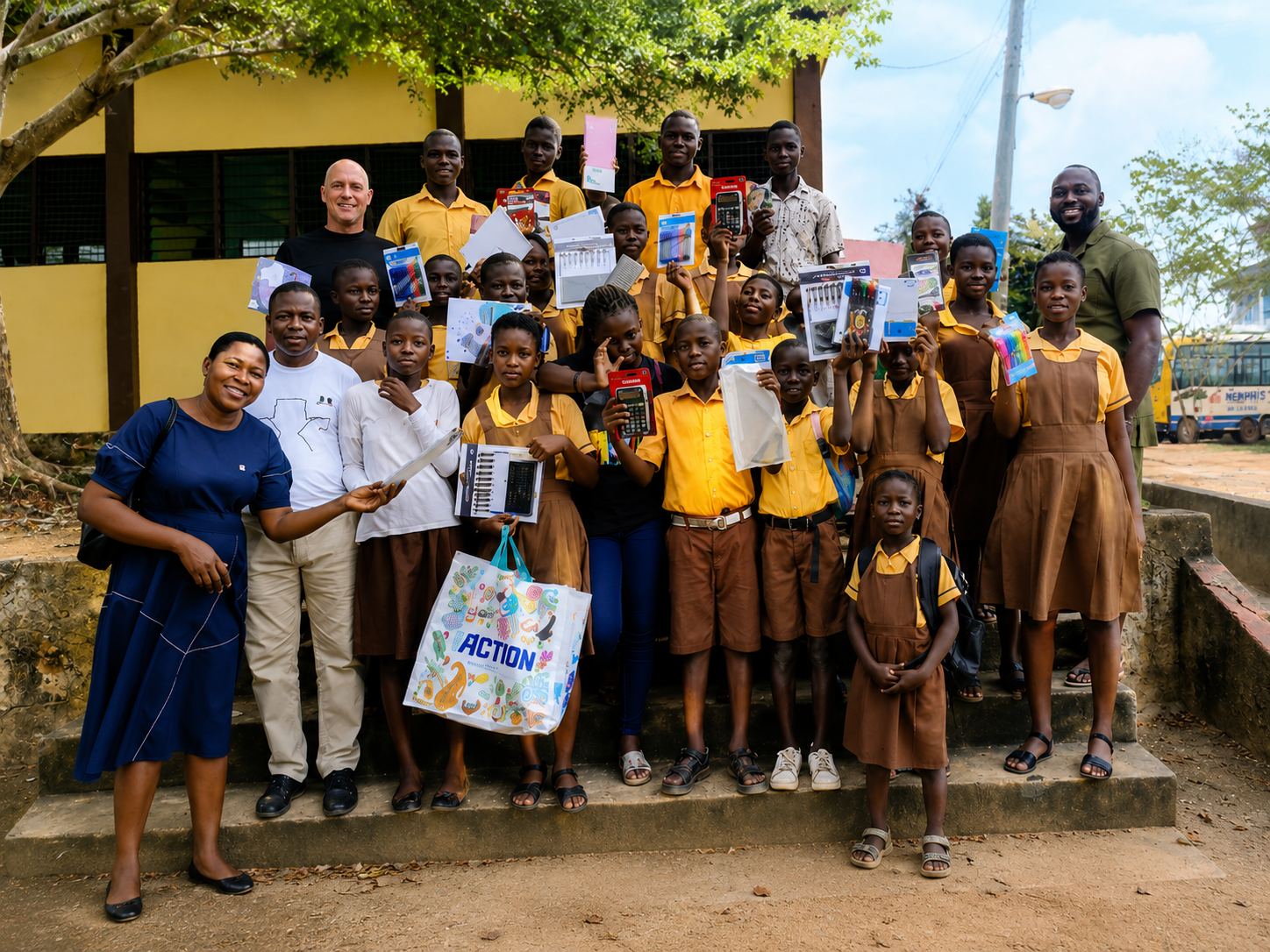
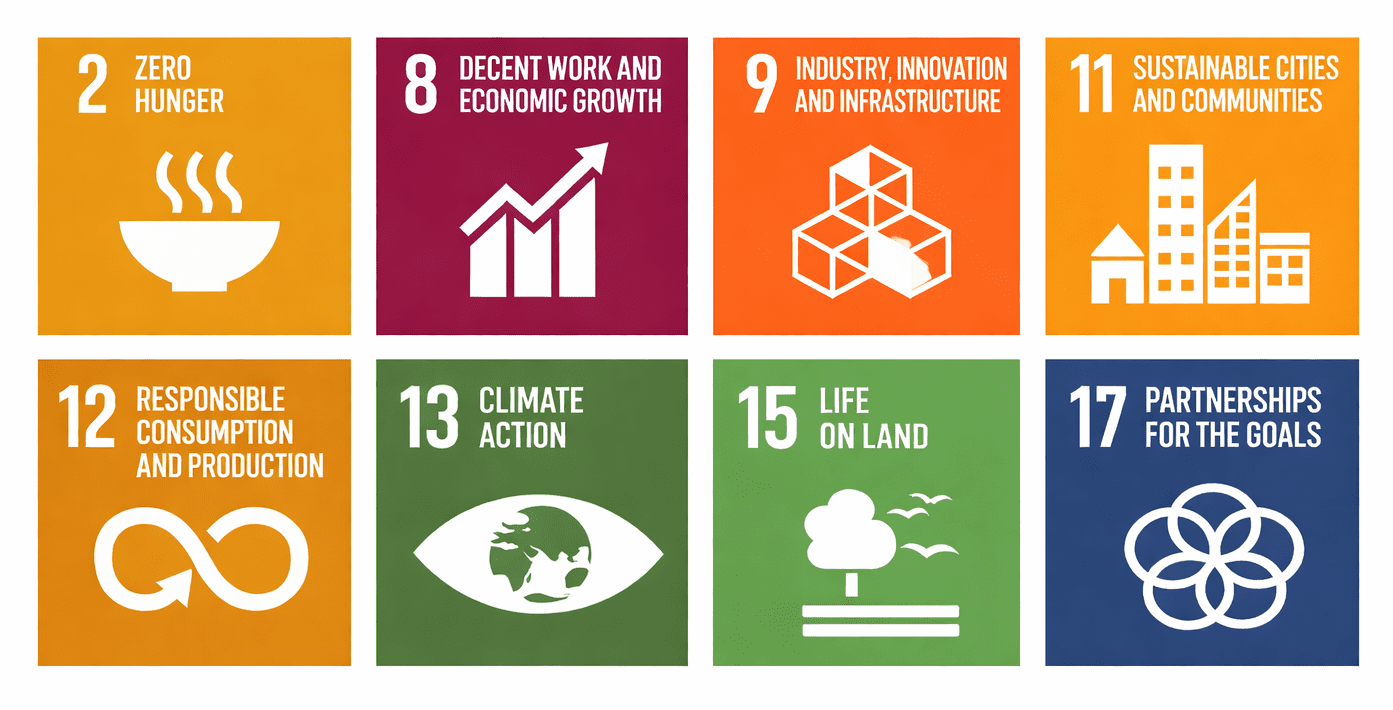
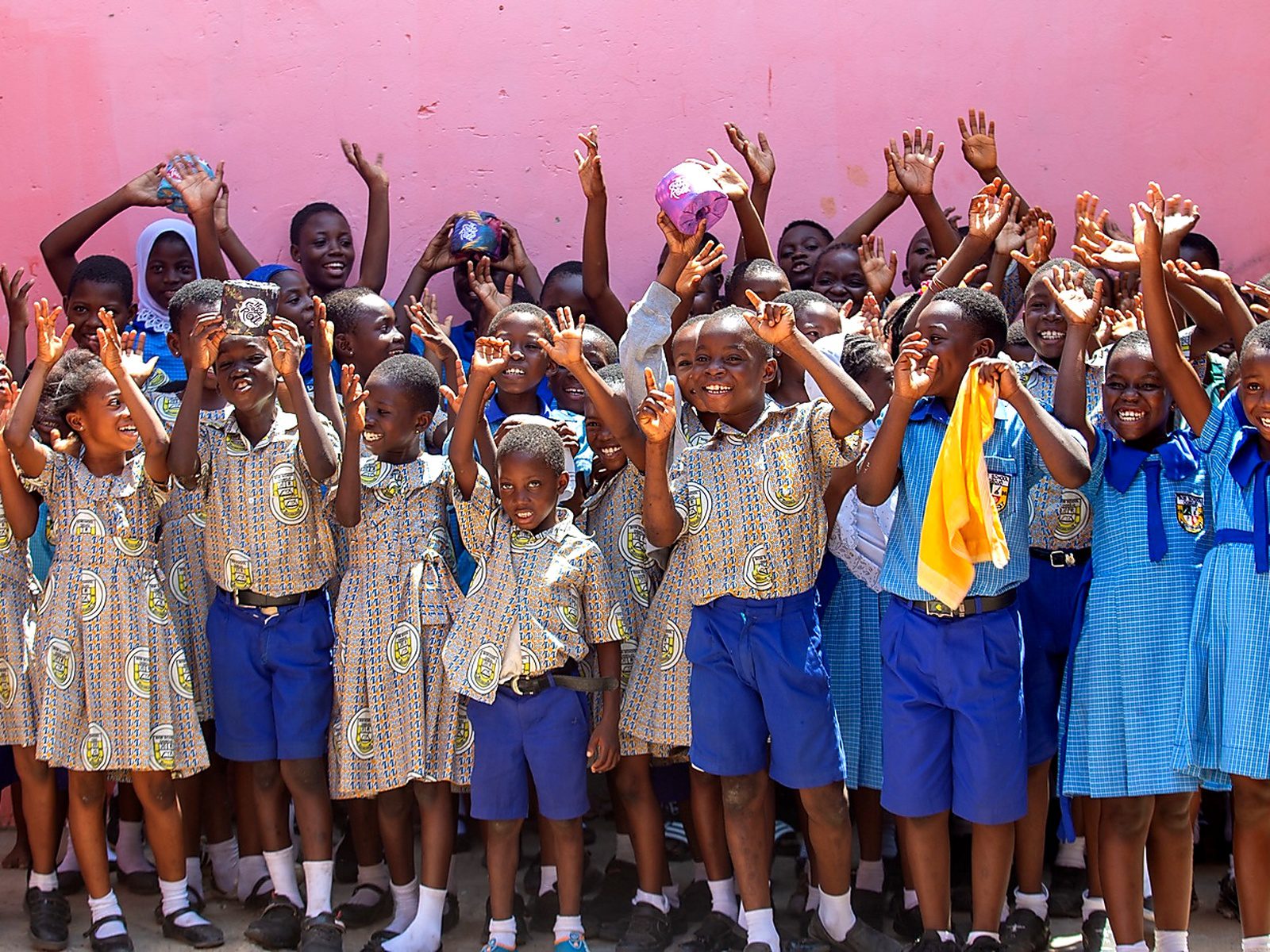
Social Impact Our projects create long-term employment opportunities for local communities and support the development of regional value chains centered around bamboo cultivation and processing. Providing for our employees and the surrounding communities is at the heart of our initiatives. Through the cultivation of fruits and vegetables, we help strengthen food security, promote self-sufficiency, and reduce dependence on external resources. Another key milestone was the construction of a well, providing access to clean and safe drinking water. In addition, we are committed to improving living conditions and expanding access to education. In Ghana, a total of 200 toilets have been built to improve sanitation and promote better public health. One particularly impactful project took place at the Cape Coast School for the Blind and Deaf, where Dutch football star Memphis Depay funded the construction of three sanitation blocks with toilets and showers, significantly improving hygiene standards and providing students with a safer and more dignified learning environment. In Kijonjo, Uganda, we supported the construction of two schools, helping to provide children with greater access to quality education while contributing to the long-term development of the region. In the Democratic Republic of the Congo, we provided school supplies for children, giving them better learning opportunities and supporting their educational journey. Our commitment goes beyond creating jobs. We strive to improve people's quality of life by investing in essential infrastructure, sanitation, clean water, and education. Through these initiatives, we help build a sustainable foundation for health, safety, opportunity, and long-term community development.
Economic impact
By combining carbon storage and sustainable biomass production, stable economic structures are created, enabling long-term development in the project regions.
Contact
Let's talk about sustainable carbon solutions.
Bamboo Sustainable World develops long-term bamboo carbon projects in Africa, providing structured carbon credits for businesses and investors.
If you are interested in our project portfolio, partnerships, or the acquisition of carbon credits, we would be delighted to hear from you.